
Having thick, healthy hair is obviously everyone’s dream, and the key lies in how you take care of it from the start. In fact, hair loss can happen to anyone, whether you’re a man or a woman, young or old.
Losing hair every day is actually normal since it’s part of the body’s natural cycle. But if the amount starts getting out of control and your scalp begins to look thinner, that’s a warning sign you shouldn’t ignore.
Hair loss isn’t just about outward appearance, it can also take a direct hit on your self-confidence. Since everyone’s scalp condition is different, treatment can’t be one-size-fits-all either. The most important step is figuring out the root cause first, so you can choose a treatment that’s truly right and safe for you. Check out the information below hair treatment you can try it!
When Is Hair Loss Still Normal, and When Should You Be Concerned?
According to the American Academy of Dermatology Association, losing between 50 and 100 strands of hair a day still falls under the category of natural shedding.
This happens because hair follicles go through several stages of their life cycle: the growth phase (anagen), the transitional phase (catagen), and the resting/shedding phase (telogen).
That said, this condition is worth watching out for if you start noticing the following symptoms:
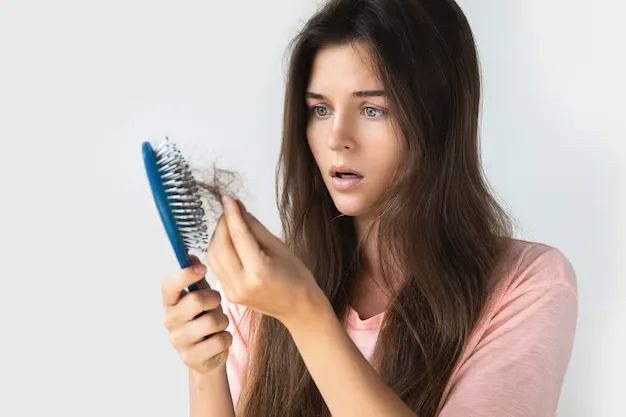
- Hair falls out in large clumps when combing, drying, or shampooing.
- The parting line looks like it’s getting wider, or your scalp is becoming more visible.
- Bald patches (circular bald spots) appear in certain areas of the scalp.
- The number of strands you lose consistently and significantly exceeds 100 per day over a long period.
If the signs above show up, it’s a sign that you’re experiencing excessive hair loss that needs targeted hair fall treatment.
What Causes Hair Loss?
According to research and medical data from Mayo Clinic, hair loss can be triggered by the interaction of various internal and external factors, ranging from age and genetic conditions to daily hair styling habits.
Here’s a detailed look at the main causes:
1. Genetic Factors (Androgenetic Alopecia)
According to The National Council on Aging (NCOA), androgenetic alopecia, or hereditary pattern baldness, is the most common cause of hair loss.
This condition develops gradually with age, where androgen hormones cause hair follicles to shrink (miniaturize) slowly until they eventually stop growing new strands.
- In men (male-pattern baldness): Marked by a receding hairline and thinning at the crown.
- In women (female-pattern baldness): Marked by a widening part line or general thinning at the crown, without losing the front hairline.
2. Hormonal Changes and Medical Conditions
According to Mayo Clinic, significant hormonal fluctuations along with certain illnesses can trigger temporary or permanent hair loss that requires specific medical intervention. Some conditions that commonly act as triggers include:
- Hormonal Changes: Occurring during pregnancy, postpartum, menopause, or due to thyroid hormone imbalances (hypothyroidism/hyperthyroidism).
- Autoimmune Disorders (Alopecia Areata): A condition where the immune system mistakenly attacks healthy hair follicles, causing circular bald patches to appear.
- Scalp Infections: Fungal infections such as ringworm (tinea capitis) that trigger inflammation in the follicle area.
3. Physical and Emotional Stress
According to Mayo Clinic, severe stress from psychological strain or physical shock to the body can trigger a sudden hair loss condition known as telogen effluvium.
Stress pushes a large number of hair follicles into the resting phase (telogen) prematurely. As a result, hair sheds massively during combing or shampooing about 2 to 3 months after the triggering event occurs.
4. Lack of Natural Nutrient Intake
According to The National Council on Aging (NCOA), deficiencies in essential nutrients and vitamins directly hinder follicle function and the formation of new hair cell structures. Without adequate nutritional intake, hair roots become fragile and prone to falling out.
Some key nutrients with major influence include:
- Iron (Anemia): Plays a role in hemoglobin production to carry oxygen to hair roots.
- Protein: The main building block of hair’s keratin structure.
- Vitamin D & Zinc: Support follicle regeneration and maintain the function of oil glands around hair roots.
5. Excessive Styling and Chemical Treatments
Hair loss is also often triggered by overly aggressive daily hair care and styling habits. These habits can damage the strand structure and forcibly pull at the hair roots:
- Heat Styling Tools: Regular use of hairdryers, flat irons, or high-heat curlers can damage the protective layer of the hair shaft.
- Harsh Chemicals: Coloring (bleaching), straightening (rebonding), or perming with harsh chemical formulas can soften the protein structure of the hair shaft, making it prone to breakage and shedding.
- Overly Tight Hairstyles (Traction Alopecia): Habitually wearing tight ponytails, braids, or buns constantly pulls on hair roots, causing permanent follicle damage.
14 Hair Loss Treatments You Can Try
Choosing the right treatment method should be tailored to the severity and root cause of your hair loss. Solutions can range from home remedies using natural ingredients, to specialized care products, to clinical medical therapies. Here’s a complete treatment guide you can consider:
A. Natural Hair Loss Treatment and Lifestyle Changes
If your hair loss is still relatively mild and isn’t triggered by a serious medical condition, natural remedies and lifestyle improvements at home can be an effective first step.
Although it takes time and isn’t an instant process, this kind of routine care is great for nourishing the scalp, strengthening roots, and preventing breakage.
1. Applying Aloe Vera Gel
Aloe vera is known for its soothing and moisturizing properties on the scalp. Its content of vitamins A, C, E, minerals, and proteolytic enzymes helps ease mild irritation while keeping follicles healthy.
Apply fresh aloe vera gel to the scalp, leave it on for 20–30 minutes, then rinse thoroughly. Do this consistently 2–3 times a week.
2. Using a Coconut Oil Mask
Coconut oil is rich in lauric acid, which has small molecules that allow it to penetrate deep into the hair shaft. This oil effectively prevents protein loss in hair strands, making them less prone to breakage.
Warm a small amount of virgin coconut oil, gently massage it into the scalp, leave it on for 30–60 minutes, then wash it out thoroughly.
3. Massaging with Candlenut Oil
Candlenut oil has long been used traditionally as a natural hair fertilizer. It’s rich in essential fatty acids that not only moisturize but also stimulate the follicles when massaged into the scalp, helping blood flow and nutrients circulate smoothly.
4. Using Green Tea Rinse
Green tea is high in antioxidants, especially epigallocatechin-3-gallate (EGCG). This compound is believed to help stimulate hair growth and protect follicles from oxidative damage. You can use cooled green tea as a final rinse after shampooing.
5. Egg and Honey Mask
Eggs are a high-protein source that serves as a key nutrient for building hair’s keratin structure, while honey acts as a humectant that locks in natural moisture. Mix 1 egg with 1–2 tablespoons of honey, apply evenly to hair and scalp for 20 minutes, then rinse with cold water.
6. Applying Olive Oil
Olive oil contains high antioxidants and vitamin E, which effectively protect scalp moisture and prevent dry, brittle hair. Use it as a pre-shampoo mask for 30 minutes for extra softness.
7. Regular Scalp Massage
Gently massaging the scalp with your fingertips for 5–10 minutes daily can improve daily blood circulation. Smooth blood flow ensures oxygen and nutrients are properly delivered to the hair roots.
8. Using Onion Extract
Onion extract contains sulfur, which can help stimulate collagen production in scalp tissue and support the formation of new hair tissue. Apply onion extract for 15 minutes, then rinse with a fresh-scented shampoo.
9. Reducing Hot Water Use When Shampooing
Washing your hair with excessively hot water can strip away the scalp’s natural oils (sebum). This leaves the scalp very dry, triggers irritation, and makes hair strands brittle and prone to falling out. Use lukewarm or room-temperature water instead.
10. Avoiding Combing Wet Hair
Hair strands are at their weakest and most fragile when wet. Combing it directly can cause hair to be forcibly pulled out from the root. Dry your hair first by gently patting it with a microfiber towel, then use a wide-tooth comb once your hair is half-dry.
B. Treatment from Within & Use of Medical Topical Products
Besides natural external care, you need a combination of nutritious care from within and topical products with active ingredients to intensively stimulate the roots.
11. Diet Modification & Stress Management
According to The National Council on Aging (NCOA), meeting your daily nutritional needs is vital, since forming hair follicles requires a full range of nutrients.
Make sure you’re eating foods high in protein, iron, zinc, and vitamin D (such as lean meat, fish, eggs, and spinach). Also, manage stress well through exercise or meditation to help prevent telogen effluvium.
12. Using Daily Hair Growth Products
Using a daily lineup of products like shampoo, conditioner, and tonic formulated for hair growth is important for keeping scalp pores clean from sebum buildup and dandruff, while creating a healthy scalp ecosystem.
13. Using Topical Serums with Active Ingredients
Regularly applying a hair serum for hair loss helps deliver concentrated nutrients directly to the scalp. Serums combined with medical-grade active ingredients for hair growth (such as minoxidil) work effectively by widening blood vessels around the follicles, stimulating new cell division, and stopping hair loss at the root.
If you’re already experiencing severe hair loss, a receding hairline, or home remedies aren’t showing significant results, clinical medical treatment is the best option. Intensive clinic treatments work directly on the scalp’s dermis layer to reactivate dormant follicles.
14. Undergoing Clinical Therapy (PRP & Hair Booster)
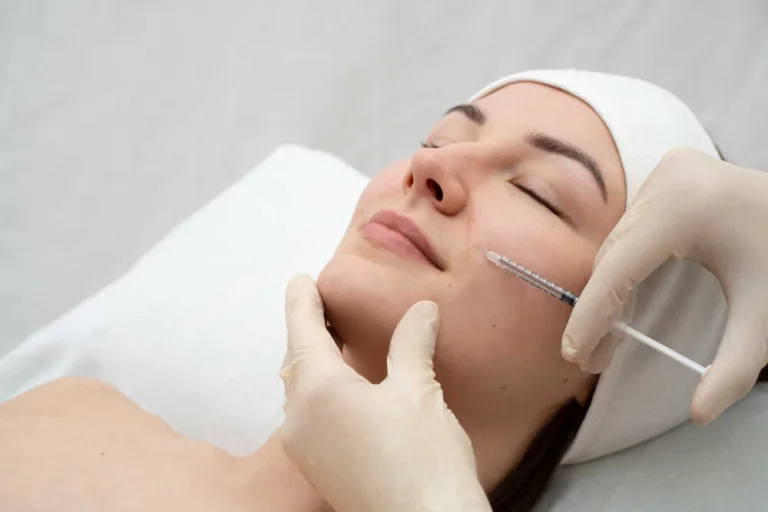
Getting a professional hair treatment procedure such as PRP hair treatment or hair growth treatment at a trusted clinic delivers results that are much faster and more measurable. PRP therapy uses growth factors from the patient’s own blood plasma to regenerate follicle cells, while nutrient boosters inject specific vitamins directly into the hair root center.
You can consult and get targeted medical treatment to restore hair thickness at SOZO Skin Clinic beauty clinic.
Can Natural Ingredients Help Reduce Hair Loss?
Natural ingredients such as aloe vera, candlenut oil, rosemary oil, and coconut milk have long been used traditionally to care for hair.
These natural ingredients generally work by keeping the scalp moisturized, reducing mild irritation, and leaving hair strands feeling softer.
However, it’s important to understand that natural ingredients work as a supportive treatment for mild cases or for maintaining everyday hair health.
If hair loss is triggered by genetic baldness, hormonal disorders, or a medical infection, natural ingredients alone usually aren’t enough. You’ll still need a combination of medical-grade topical treatments or clinical therapy.
When Should You Consult a Doctor?
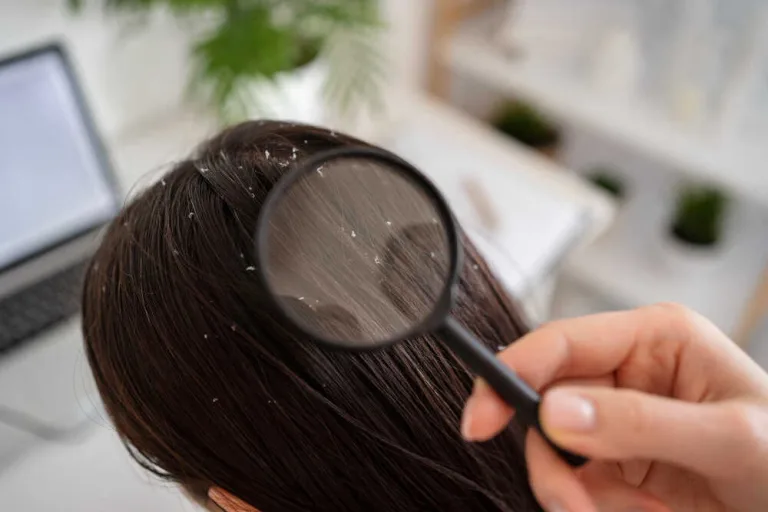
If you’ve tried various shampoos or hair serums for hair loss with no improvement, or if you’re experiencing symptoms like extreme scalp itching, redness, flaking, or sudden bald patches, consult a specialist right away.
Prompt care from medical experts will help determine whether the hair loss is caused by a specific issue like inflamed dandruff-related hair problems or androgenetic alopecia.
You can get an in-depth consultation and evaluation at SOZO Skin Clinic beauty clinic for an accurate scalp diagnosis.
FAQ About Hair Loss Treatment
Understanding hair loss issues thoroughly helps you make the right decisions. Here are answers to the most frequently asked questions:
1. Can hair loss grow back?
Yes, most hair loss conditions like those caused by stress (telogen effluvium) or postpartum shedding can grow back once the triggering factor is addressed. However, for genetic baldness, ongoing treatment is needed to keep the follicles from dying off permanently.
2. How much daily hair loss is still considered normal?
According to medical guidelines from the American Academy of Dermatology Association, losing around 50 to 100 strands a day is normal for both men and women.
3. What’s the most effective hair loss treatment?
The most effective treatment depends on the cause. A combination of external medical treatment (like serum/minoxidil) with in-clinic medical therapy such as PRP or Hair Growth Booster generally delivers the best results.
4. Does daily shampooing cause hair loss?
Shampooing daily doesn’t trigger hair loss from the root as long as you use a gentle shampoo. The hair that falls out during shampooing is actually strands that had already detached from their follicles.
5. Are anti-hair-loss shampoos really effective?
Anti-hair-loss shampoos are effective for cleansing the scalp of sebum buildup and providing surface-level nutrients. However, since shampoo gets rinsed off right away, its effect needs to be backed up by a serum or lotion that absorbs into the scalp.
6. When is it necessary to use hair loss medication?
Hair loss medication (whether topical or oral) is recommended once hair loss has become severe, the hairline starts receding, or regular treatment isn’t showing a positive response.
7. Can in-clinic hair treatments help reduce hair loss?
Very much so. Clinical procedures work by delivering nutrients directly to the deepest follicle roots, which are hard to reach with regular care products.
8. Can stress cause hair loss?
Yes, stress can raise cortisol levels, which triggers a large number of hair roots to enter the resting phase (telogen) all at once.
9. How long does it take before hair treatment results show?
Hair growth takes time. Initial results generally start to show within 3 to 6 months of consistent use.
10. What’s the difference between Hair PRP and Hair Mesotherapy?
Hair PRP uses platelet-rich plasma from the patient’s own blood to trigger follicle cell regeneration. Hair Mesotherapy, on the other hand, injects a cocktail of nutrients, vitamins, and specific active ingredients directly into the scalp.
Don’t Wait Until You Go Bald! Restore Your Beautiful Crown Now!
Seeing more and more strands fall out every time you comb your hair can definitely make you anxious and dent your confidence. But remember, delaying treatment will only weaken your hair follicles further and make them harder to regrow!
If you want to know more about what hair treatment is best suited for your scalp condition, consult with SOZO Skin Clinic right now.
Get an accurate medical analysis and achieve thick, healthy, permanently hair-loss-free hair with our professional hair loss treatment services!
Find the SOZO Skin Clinic Location Nearest You Here
Want Thick, Healthy, Hair-Loss-Free Hair? Come to SOZO Skin Clinic!

Refference:
- Does Vitamin Deficiency Cause Hair Loss? | The National Council on Aging (NCOA)
- Hair Loss | Mayo Clinic
- Hair Loss: Causes, Types, and Other Facts | The National Council on Aging (NCOA)
- How Much Hair Loss Is Normal? | American Academy of Dermatology Association
- Stress and Hair Loss: Are They Related? | Mayo Clinic